
Insights on Cholesterol Management
Explore evidence-based articles, research summaries, and practical guidance on understanding cholesterol through nutrition and lifestyle choices.
The information on this site is for educational purposes only and does not constitute medical advice. Always consult a qualified healthcare professional before making health decisions.
Understanding Your Cholesterol Levels: A Complete Guide
Cholesterol is a waxy substance found in your blood and cells. Your body uses it to produce hormones, vitamin D, and digestive acids, but too much cholesterol can build up in your arteries and increase health risks. This comprehensive guide walks you through what the numbers mean, how dietary choices affect your levels, and practical steps to manage cholesterol through nutrition and lifestyle habits.
Read the full article
Filter by Category

Foods That Lower Cholesterol: Science-Backed Choices
Discover which foods have been shown to help reduce cholesterol levels. From oats and nuts to fatty fish and olive oil, learn how to build a cholesterol-friendly plate.Read more

The Role of Fiber in Cholesterol Management
Soluble fiber has a proven effect on cholesterol levels. This article explains the science behind fiber's mechanism and provides practical tips for increasing fiber intake through whole foods.
Read more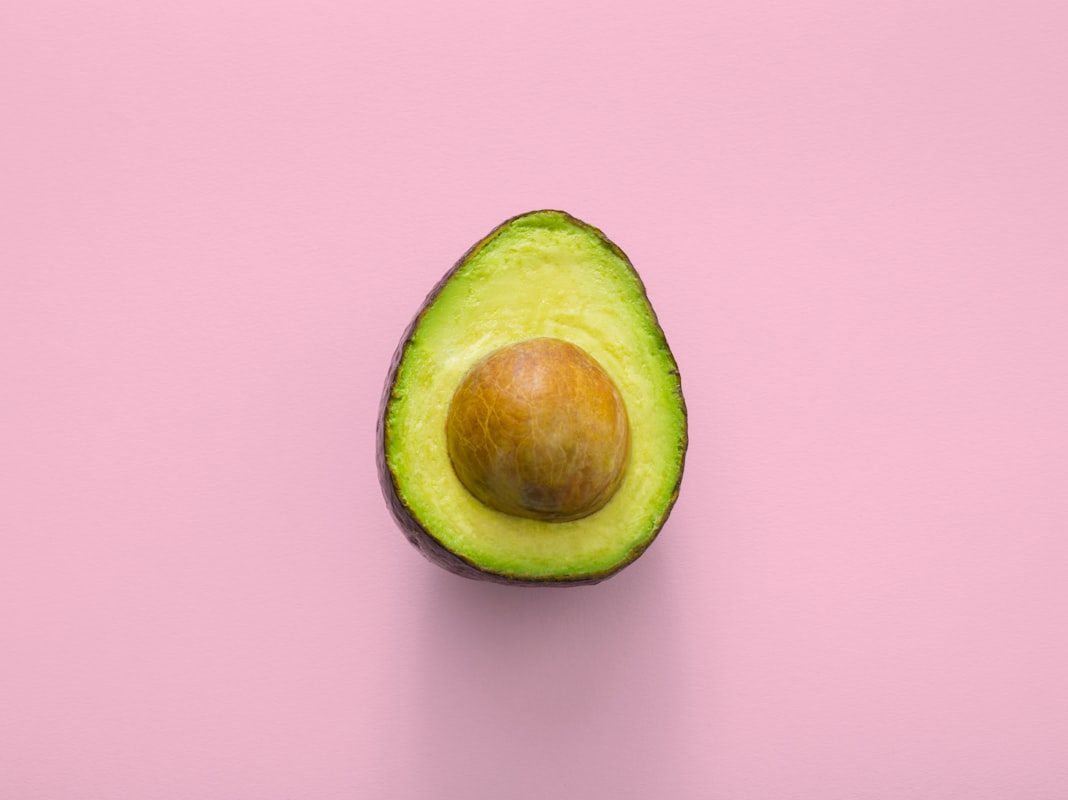
How Regular Exercise Affects Your Cholesterol Profile
Physical activity doesn't just improve fitness—it actively affects your cholesterol levels. Learn what types of exercise are most effective and how consistency makes a difference over time.
Read more
Omega-3 Fatty Acids: Benefits for Cholesterol and Cardiovascular Function
Omega-3s are renowned for their heart-health benefits. Understand where to find these essential fats, how they work in your body, and the research supporting their role in cholesterol management.
Read more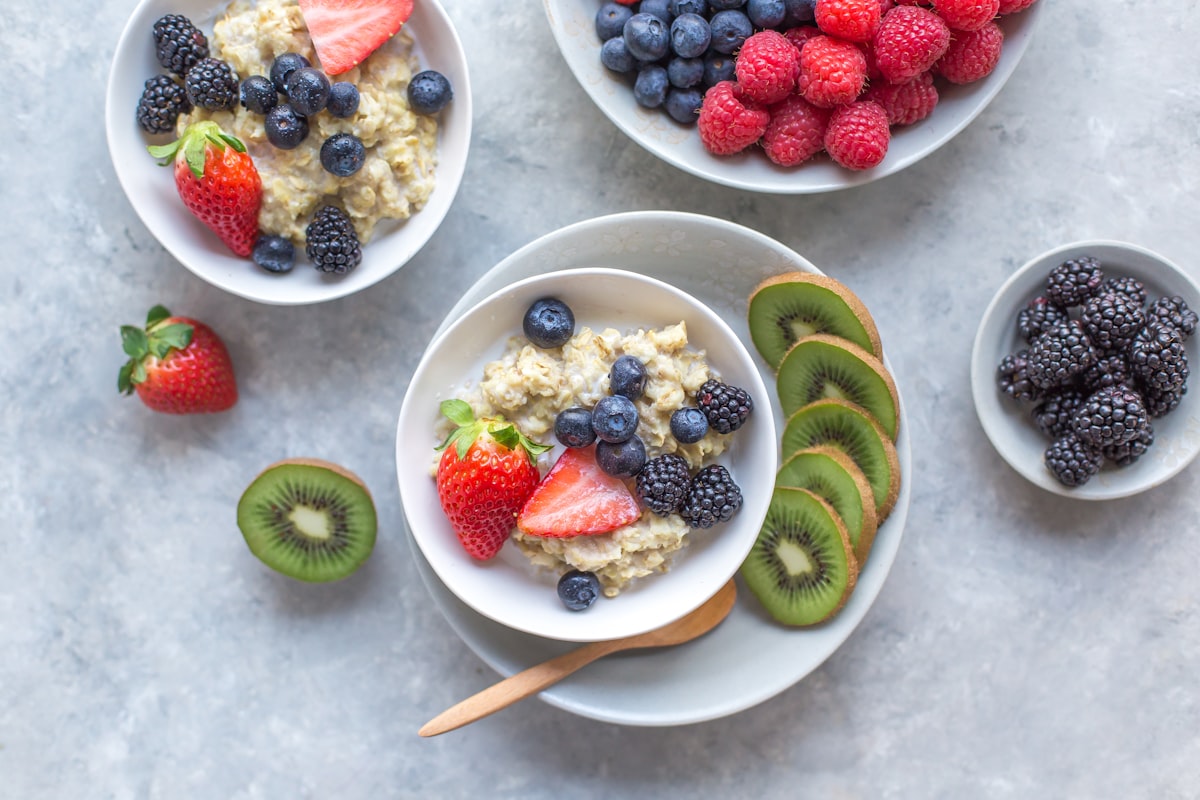
LDL vs. HDL: What Your Cholesterol Numbers Really Mean
Not all cholesterol is equal. This deep-dive article explains the differences between LDL and HDL cholesterol, what the numbers mean for your health, and how to interpret your lab results.
Read more
Plant-Based Eating: How Vegetarian Diets Impact Cholesterol
Plant-based diets are associated with lower cholesterol levels. Discover the nutritional mechanisms at play, common plant-based protein sources, and how to transition to a more plant-focused diet.
Read more
The Stress-Cholesterol Connection: What Research Shows
Chronic stress can influence cholesterol levels. Learn the physiological mechanisms linking stress to cholesterol changes and explore evidence-based strategies for stress reduction and relaxation.
Read more
Building a Sustainable Cholesterol-Friendly Eating Plan
Long-term dietary changes are more effective than short-term restrictions. This guide provides practical frameworks for meal planning, grocery shopping strategies, and creating habits that support healthy cholesterol levels.
Read moreExplore More Resources
Deepen your knowledge about cholesterol management through our comprehensive guides and recipe collections.
Complete Food Guide
Access our detailed food guide with categorized lists of foods that support healthy cholesterol levels, including nutritional information and serving suggestions.
Browse the guideCholesterol-Friendly Recipes
Discover delicious recipes specifically designed to support cholesterol management. Each recipe includes nutritional information and practical cooking tips.
Discover recipesFrequently Asked Questions
Find answers to common questions about cholesterol management and dietary approaches.
What is the difference between good and bad cholesterol?
LDL cholesterol is often called "bad" cholesterol because high levels can contribute to arterial buildup. HDL cholesterol is called "good" cholesterol because it helps remove LDL from your arteries. The ratio and absolute levels of both matter when assessing overall cholesterol health.
How quickly can dietary changes affect cholesterol levels?
Some people see changes in their cholesterol levels within 2-4 weeks of making dietary adjustments, while others may take 2-3 months to see significant shifts. Individual factors like genetics, current diet, and overall lifestyle play a role. Consistency over time yields the best results.
Can I manage cholesterol through diet alone?
Many people can significantly improve their cholesterol profile through dietary changes, regular physical activity, stress management, and maintaining a healthy weight. However, genetics also plays a role in cholesterol levels. Consult with your healthcare provider to determine the best approach for your specific situation.
Are all fats bad for cholesterol?
No. Unsaturated fats from sources like olive oil, nuts, avocados, and fatty fish can actually support healthy cholesterol levels. Trans fats and excessive saturated fats are more problematic. The type and amount of fat in your diet matters more than fat itself being inherently bad.
How often should I check my cholesterol levels?
Most adults should have their cholesterol levels checked at least every 4-6 years. If you have risk factors, a personal history of high cholesterol, or are making dietary changes, more frequent testing may be appropriate. Your healthcare provider can recommend a testing schedule that fits your individual circumstances.
Stay Updated with New Insights
Our editorial team regularly publishes new articles, research summaries, and practical guides on cholesterol management. Explore our full blog to discover the latest content.
Browse All Articles